Understanding Gas Sensor Lifespans
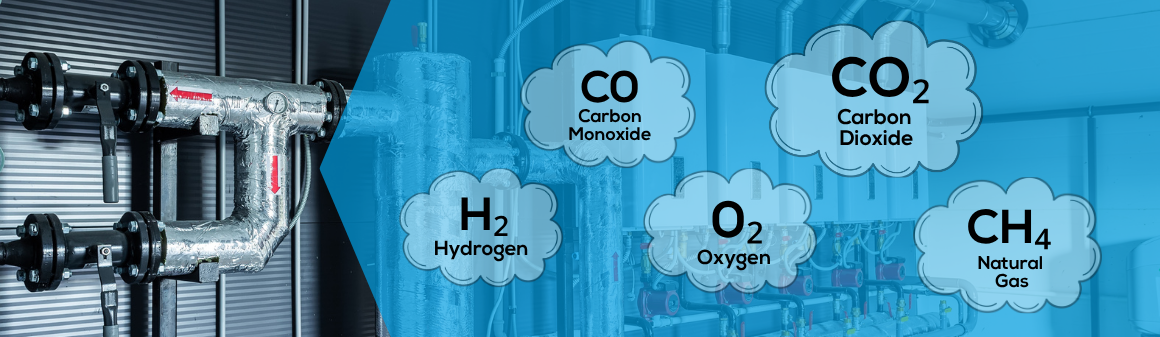
Gas sensors play a vital role in modern safety systems, protecting people and property across industrial sites, commercial buildings, and smart environments. They continuously monitor air quality and detect hazardous gases such as carbon monoxide, oxygen, natural gas and many others, helping to prevent accidents, ensure regulatory compliance, and provide early warnings that can save lives.
However, gas sensors are not designed to last forever. Each sensor has a defined operational lifespan, and over time its accuracy and reliability can decline. If your gas sensors have been installed for several years, it’s important to know when they should be replaced to maintain effective and dependable protection.
Regular servicing and maintenance of gas detection systems is also essential, typically every 6 to 12 months, depending on manufacturers recommendations and the gas being monitored.
Typical Lifespan of Gas Sensors
The lifespan of a gas sensor depends on its sensing technology, operating environment, and exposure to gases. As a general guide sensors should be replaced every:
- CO (Carbon Monoxide): 2–5 years
- O₂ (Oxygen): 2–3 years
- R410a, R134a, R32, R12332d, R1234ze and more (Refrigerants): 5-10 years
- CH₄ (Natural Gas/Methane): 5–10 years
- C₃H₈ (Propane / LPG): 5–10 years
- H₂ (Hydrogen): 5–10 years
- CO₂ (Carbon Dioxide): 5–10 years
What Affects Sensor Lifespan?
In real-world conditions, several factors can significantly influence how long a gas sensor remains effective:
- Exposure to extreme temperatures can impact sensitivity and stability
- High or low humidity levels can affect internal components and response times
- Repeated exposure to high gas concentrations can accelerate sensor degradation
- Environmental contaminants, including organic gases, can damage sensor elements
- Mechanical stress, vibration, or shock can affect internal connections
These factors mean that even sensors within their expected lifespan may not always perform reliably without proper care.
Warning Signs Your Sensor May Need Replacement
Recognising the signs of a failing sensor is essential to maintaining safety. Common indicators include:
- Frequent false alarms
- Failure to trigger during routine testing
- Slow or inconsistent response times
- Inability to calibrate correctly
- Fault or error messages displayed on the system
These warning signs should never be ignored, as they often indicate that the sensor is approaching the end of its usable life or has already become unreliable.
Why Servicing and Maintenance Matters
Regular servicing and maintenance is essential, not optional. When it comes to gas detection systems, routine inspections, testing, and calibration ensure sensors remain accurate, responsive, and compliant with safety standards. Scheduled servicing also helps identify hidden issues such as calibration drift, environmental damage, or early component failure before they become critical.
Without consistent maintenance, even relatively new sensors can become unreliable, increasing the risk to both people and property. In contrast, a well-maintained system performs more efficiently, lasts longer, and reduces the likelihood of unexpected failures, providing confidence that your safety systems will operate when needed most.

How We Can Help
This is where you can rely on our expertise. At Diamond Controls, we specialise in the servicing, maintenance, fault diagnosis, and replacement of leak detection systems, including gas sensors.
Our services include:
- Detailed service reports with clear remedial recommendations
- Retrospective installation drawings and operation manuals
- Remote monitoring and real-time alert systems
- Commissioning of system upgrades, additions, or modifications
If your gas sensors do not have a regular maintenance schedule or have been in place for several years, now is the time to act. Ensuring your systems are properly serviced or replaced where necessary is a critical step in safeguarding people, property, and operations.
To book a service visit, email sales@diamondcontrols.co.uk and we’ll arrange a proposal for annual servicing.